Space
Reclaim active lab footprint

Lab / R&D
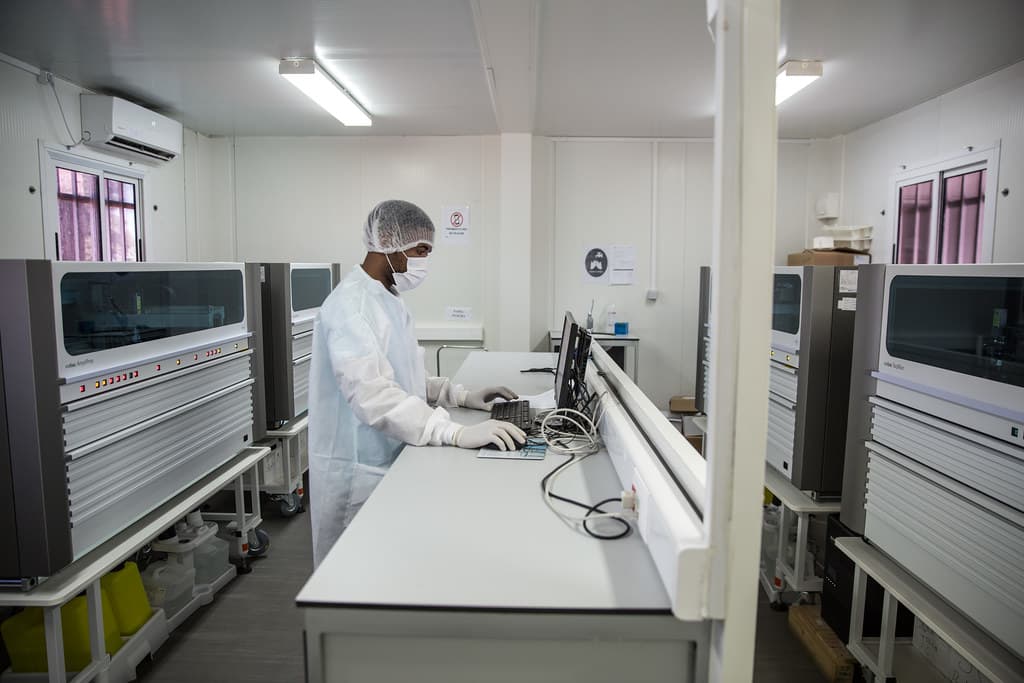
TALC handles analytical systems, specialty instruments, and idle lab inventory with the logistics discipline these categories actually require.
Ideal fit
Best fit: lab shutdowns, department consolidations, pilot-line changes, and idle bench equipment.
Space
Reclaim active lab footprint
Value
Preserve resale upside
Where teams get stuck
Lab inventories often include fragile systems, partial sets, accessories, and documentation gaps. TALC treats the project like a technical removal, not a bulk junk-out, so equipment with real demand does not disappear into the wrong downstream path.
Why this works
This track is built for research and technical environments where the wrong removal path destroys value quickly.
Planning around instruments, accessories, benches, and supporting hardware
Deinstall, packing, and transport decisions tied to equipment condition
Disposition paths that preserve value where market demand still exists
Included in scope
The goal is to recover space, protect fragile assets, and still close the project on time.
Space
01
We identify instruments, accessories, and missing pieces early so category-specific handling starts before removal.
Value
02
Packing, lift planning, and transport are built around the equipment rather than forcing the equipment into a generic truck flow.
Control
03
Systems with demand are routed to buyer channels that understand the category. The rest move into compliant retirement.
Execution model
Every step is designed to keep technical assets identified, documented, and routed with purpose.
We confirm categories, room constraints, and whether the project is a partial pull, a full clean-out, or a phased shutdown.
Equipment is identified by type and handling needs so the team can separate resale candidates from retirement inventory.
Assets are deinstalled, packed, and moved through a transport plan that matches fragility and site access.
Usable systems are matched to active demand while non-recoverable items move into the correct compliant channel.
Next step
Share the instrument categories, volume, and timing. TALC can frame the right removal and recovery path before the lab goes offline.